

Importance of Rumala Sahib
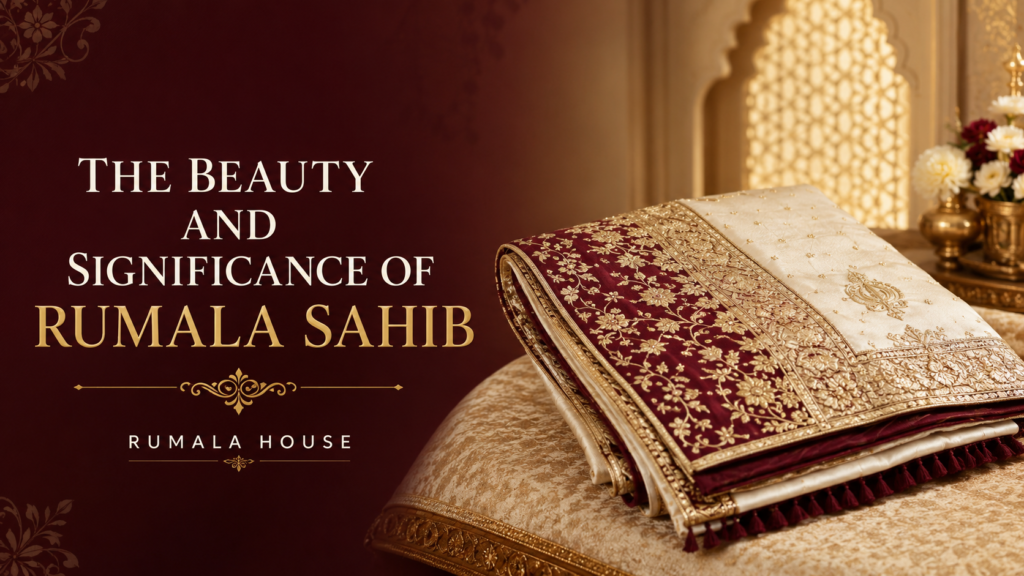
Rumala Sahib holds great importance in Sikhism as it is respectfully used to cover Sri Guru Granth Sahib Ji. It represents love, devotion, honour and deep respect for the Guru. Beautiful fabrics and embroidery enhance the dignity of the sacred space. Offering a Rumala Sahib is also considered a meaningful expression of gratitude and faith.
Two type of rumala sahib
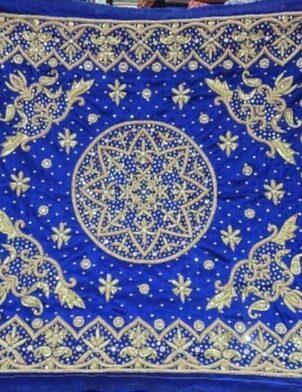
Handwork
Handwork Rumala Sahib features detailed embroidery crafted by skilled artisans, giving it a rich and elegant appearance.
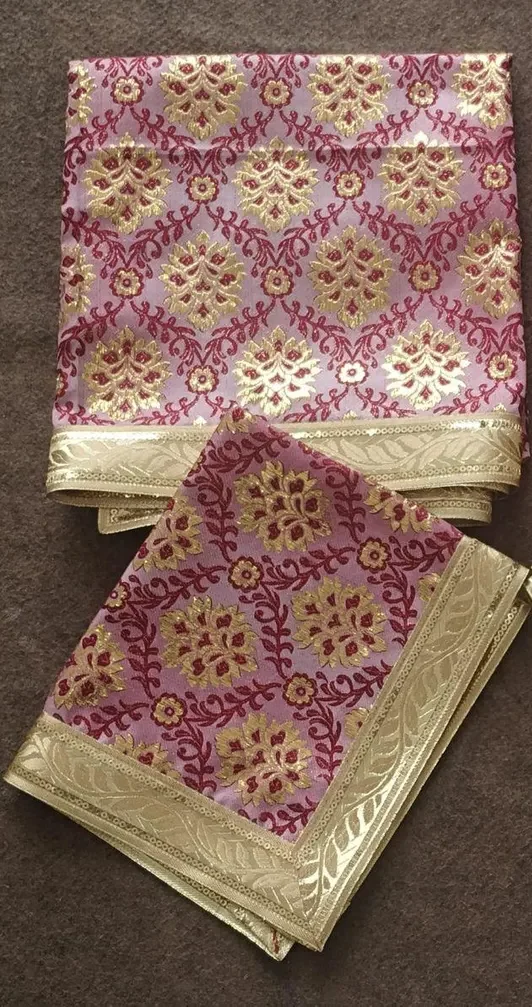
Selfwork
Self-work Rumala Sahib has subtle matching patterns woven or stitched into the fabric for a simple and graceful look.
Sikh religious items
Turban
The turban represents honour, equality, dignity and a strong Sikh identity.

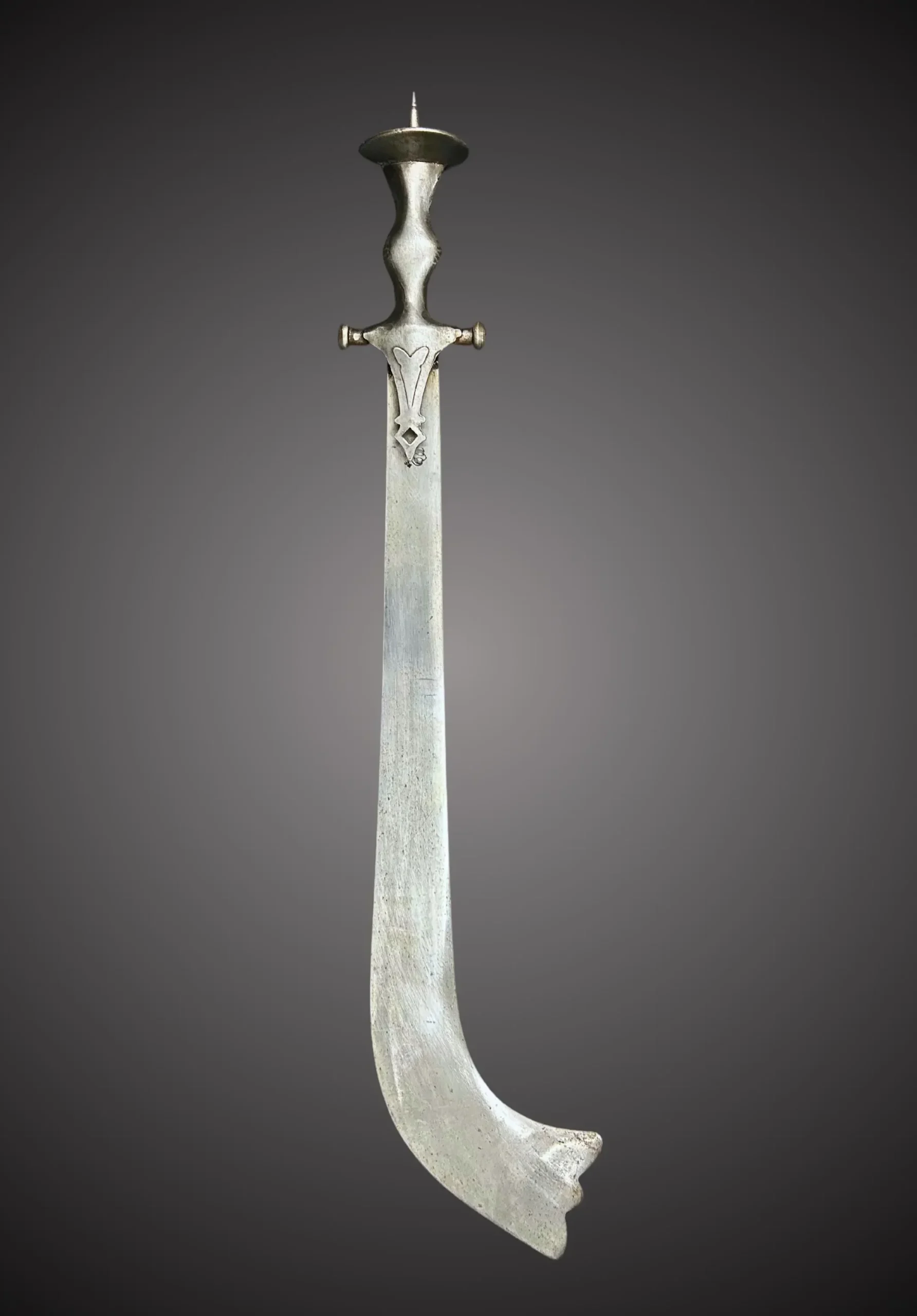
Shastars
Shastar represents courage, strength and the responsibility to protect justice and the innocent.
Sikh Items Related to Guru Sahib and the Khalsa
Sikhism teaches devotion to Waheguru, equality, courage, humility and selfless service. Various sacred items connected with Sri Guru Granth Sahib Ji and the Khalsa represent respect, discipline and Sikh identity. These items should always be handled with cleanliness, dignity and reverence.
Items Related to Guru Sahib
Rumala Sahib is a beautiful cloth respectfully used to cover Sri Guru Granth Sahib Ji. It is commonly made from fine fabrics and may feature self-work, zari, hand embroidery or decorative borders. Offering a Rumala Sahib is an expression of love, faith and gratitude.
Chandoa Sahib is a decorative canopy placed above Sri Guru Granth Sahib Ji. It enhances the dignity of the sacred setting and is often designed to complement the Rumala Sahib.
Chaur Sahib is respectfully waved over Sri Guru Granth Sahib Ji during prayers and ceremonies. This practice represents honour and recognises the Guru’s spiritual authority.
Palki Sahib is the beautifully decorated structure where Sri Guru Granth Sahib Ji is respectfully placed. It is kept clean and properly arranged with suitable fabrics, cushions and coverings.
Items Related to the Khalsa
The Dastar, or turban, is an important symbol of Sikh identity. It represents dignity, equality, honour and responsibility. It also protects and neatly covers the uncut hair maintained by many Sikhs.
The Five Kakaars—Kesh, Kangha, Kara, Kachhera and Kirpan—are essential articles of faith for initiated Khalsa Sikhs. Kesh represents acceptance of God’s will, while the Kangha symbolises cleanliness and discipline. The Kara reminds Sikhs to perform righteous actions, the Kachhera represents self-control, and the Kirpan signifies courage and the duty to protect the innocent.
Shastar, or traditional weapons, hold an honoured place in Sikh history. They symbolise bravery, justice and readiness to defend people against oppression. Their importance is spiritual and ethical, reminding the Khalsa to use strength responsibly.
Nishan Sahib, the Sikh flag, is displayed outside a Gurdwara Sahib. It represents the presence of the Guru’s house and conveys a message of equality, shelter and service for everyone.
Together, these sacred items preserve Sikh traditions and inspire devotees to live with faith, humility, courage and compassion.